


The scent of a cosmetic product is one of the elements that most strongly influence the user experience, yet its design goes far beyond selecting a pleasant fragrance. In skincare, aromatic development requires technical criteria, chemical stability, sensory coherence, and a deep understanding of how each ingredient interacts within the formula. Unlike traditional perfumery, where the scent plays the starring role, in skincare it must fulfil a functional purpose: accompany, complement, and reinforce the perception of quality without interfering with the product’s efficacy.
In specialized laboratories such as MS Cosmetics Lab, the creation of a cosmetic scent begins from scratch, integrating the work of the perfumer with that of the formulator. This multidisciplinary approach ensures that the fragrance adapts to the vehicle—cream, serum, oil, or emulsion—and remains stable throughout the product’s entire shelf life, overcoming challenges such as oxidation, photodegradation, or incompatibility with sensitive actives.
The growing interest in sensorial textures and balanced aromas has driven new trends in Europe, where users are increasingly seeking softer, more natural fragrances that align with the purpose of the product. In this article, we explore the science behind aromatic design in cosmetics: from how to build a skincare-adapted olfactory pyramid to the criteria needed to ensure stability and select suitable notes for each formulation category.
The Architecture of Cosmetic Scent: How to Build an Olfactory Pyramid Adapted to Skincare
Designing a cosmetic scent from scratch is a far more technical process than one might imagine. Although the concept of the olfactory pyramid comes from perfumery, its application in cosmetics requires a specific adaptation: the aroma must integrate into the formula without dominating it, remain stable in contact with actives, and avoid interfering with the functional purpose of the product. This makes the perfumer’s work as much a scientific exercise as an artistic one.
A functional pyramid, not a protagonist
In perfumery, the olfactory pyramid consists of three distinct stages: top notes, heart notes, and base notes. In cosmetics, these layers must be reinterpreted to meet different criteria:
- Soft opening notes, so they do not overshadow the natural scent of actives or oils.
- A more stable heart, designed to accompany the texture without becoming invasive.
- A very light base, crafted to avoid competing with other products used in the routine.
MS Cosmetics Lab applies this approach from the conceptual stage, evaluating which olfactive families work best according to the category—moisturizers, cleansers, nourishing oils, antioxidant serums, and more.
Compatibility with the formula: the real technical challenge
A scent cannot be considered in isolation. In skincare, it must coexist with:
- Vegetable or essential oils
- Emulsifiers and thickeners
- Actives sensitive to oxidation
- Preservation systems
This is why, before selecting any aromatic notes, formulators evaluate pH, volatility, alcohol presence, light sensitivity, and thermal stability.
MS Cosmetics Lab conducts internal testing to assess how each note behaves in creams, emulsions, gels, or anhydrous matrices, allowing the team to anticipate possible incompatibilities.
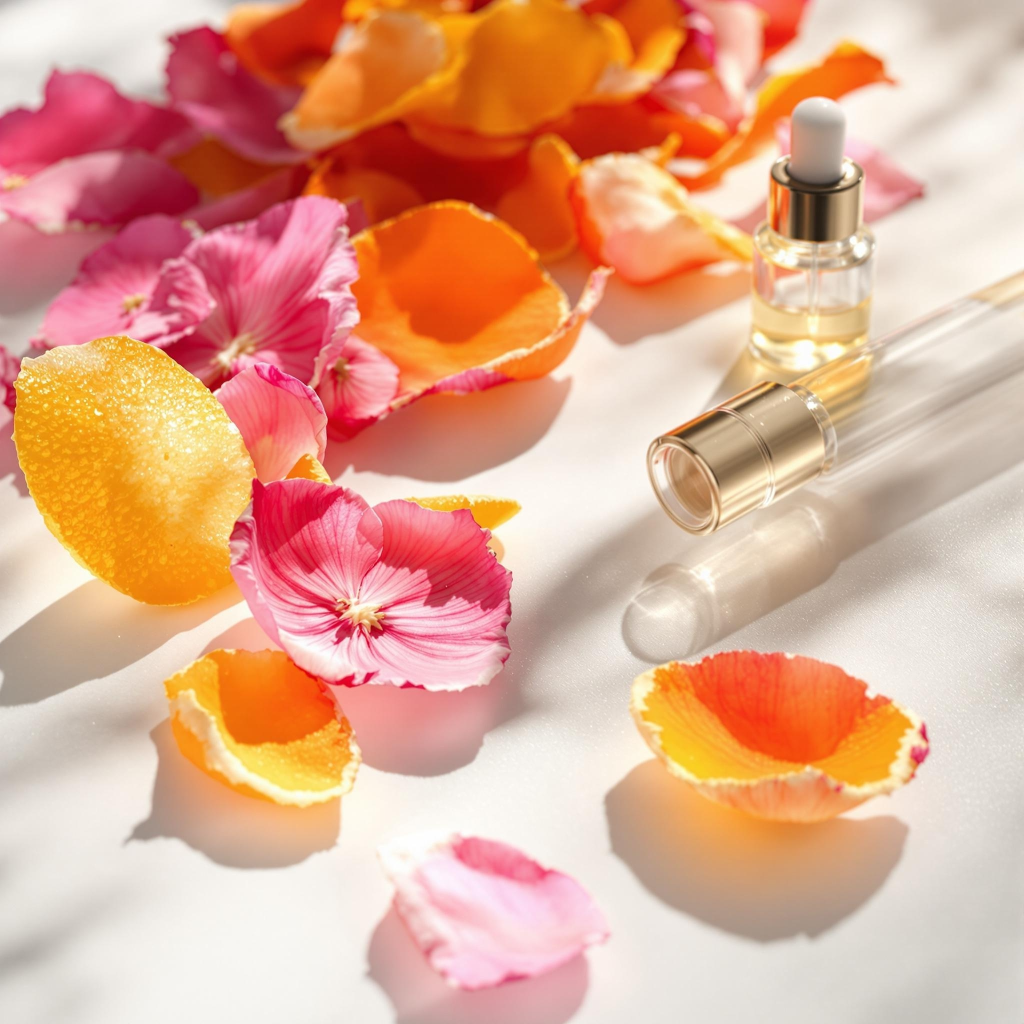
Adjustments according to product category
The olfactory pyramid is also designed based on the type of cosmetic:
- Creams and balms: require warmer base notes that integrate well into rich structures.
- Aqueous serums: call for very clean, almost imperceptible aromas.
- Facial oils: work well with herbal or botanical profiles that complement the lipidic carrier.
- Cleansing products: typically use fresh or energizing notes to reinforce the feeling of clarity.
This ensures the fragrance accompanies the experience, rather than defining it.
Designing a scent with purpose
The aromatic development must align with the benefit of the product—relaxation, revitalization, hydration, purity, or energy. At MS Cosmetics Lab, the process begins with a key question:
What sensation should the product evoke to reinforce its function?
From this starting point, olfactory combinations are selected to create emotional and sensory coherence.
Scent Stability: How to Ensure the Fragrance Holds in Creams, Serums, and Oils
Designing an appealing aroma is only the first step. In cosmetics, the real challenge is ensuring that the fragrance remains stable throughout the product’s entire lifespan. Unlike perfumery, where alcohol acts as both vehicle and stabilizer, skincare fragrances must coexist with emulsions, aqueous phases, oils, surfactants, and actives that can alter their profile over time. This makes aromatic stability a core pillar of cosmetic development.
Factors that affect scent stability
Fragrances in facial cosmetics are exposed to multiple variables that can modify their structure:
- Oxidation, especially in plant-oil-rich or lipid-heavy formulas
- Incompatible pH, which can degrade certain citrus, floral, or spicy notes
- Differential volatility among aromatic molecules, disrupting the pyramid’s balance
- Photodegradation, common in antioxidant serums or transparent products
- Interactions with actives, such as retinoids, vitamin C, or exfoliating acids
In laboratories such as MS Cosmetics Lab, these factors are evaluated from early development stages to select only the notes capable of maintaining integrity in the final matrix.
Methods to evaluate stability in different vehicles
Each product type presents its own challenges, so testing must be adapted accordingly:
- Creams and emulsions: stability is assessed in both the aqueous and oil phases, as well as the impact of emulsifiers on volatility.
- Aqueous serums: pH sensitivity and interactions with water-soluble actives are carefully analyzed.
- Oils: lipid oxidation is studied, as it is one of the main causes of aromatic alteration.
MS Cosmetics Lab conducts accelerated stability tests, exposing formulas to variations in temperature, light, and humidity to simulate months of use in a much shorter time. This helps anticipate how the fragrance will evolve and adjust its composition before final validation.
Tools to protect the fragrance
To maintain aromatic fidelity, several strategies are used:
- Antioxidants (tocopherols, botanical extracts, ferulic acid)
- Aromatic encapsulation for sensitive molecules
- Lipid stabilizers for oils and balms
- Airless or opaque glass packaging to reduce oxygen and light exposure
These solutions preserve olfactory identity without altering the user experience.
Sensory stability as part of the user experience
The final goal is for the consumer to perceive the same scent on the first day and the last, maintaining olfactory coherence. At MS Cosmetics Lab, aromatic stability is considered as important as texture or active performance, as it directly influences satisfaction and loyalty.
How to Choose Notes According to Product Type
Selecting the right aromatic notes for a cosmetic product requires combining sensory understanding, chemistry, and strategic vision. Unlike perfumery, where the objective is to build a complete, expressive olfactory identity, in skincare the scent must support the product’s function, reinforce its purpose, and enhance the user experience without disrupting the formula or creating incompatibilities.
The first filter: the cosmetic vehicle
The base of the product determines which aromatic families can work:
- Aqueous serums: require clean, fresh, highly volatile notes.
- Moisturizing creams: allow creamy, soft floral or lightly musky accords.
- Facial oils: suit herbal, botanical, or woody profiles.
- Cleansers: incorporate citrus or energizing notes that reinforce clarity.
In laboratories such as MS Cosmetics Lab, the selection is based on evaluating solubility, volatility, and stability of each aromatic molecule within the product’s specific base.
Notes to avoid depending on formula type
Technical restrictions include:
- Citrus notes may oxidize in formulas with vitamin C.
- Spicy or reactive notes may destabilize retinoid emulsions.
- Delicate florals may degrade in omega-rich oils.
For this reason, MS Cosmetics Lab conducts comparative tests among olfactory families to evaluate how each evolves over time and under accelerated stability cycles.
The role of product purpose
The product’s function guides aromatic decisions:
- Calming products: green, aquatic, or soft herbal notes
- Revitalizing treatments: clean citrus, ginger, light fruity notes
- Night repair products: warm, amber, or lightly sweet accords
- Purifying formulas: herbaceous or minty notes in microdoses
A well-chosen aroma enhances perceived efficacy, emotional resonance, and routine adherence.
Brand identity and user experience
Fragrance design must also align with brand sensorial identity. At MS Cosmetics Lab, this process is carried out collaboratively with clients to create aromatic signatures that remain stable and reproducible across product categories.
Sensory Trends in Europe
Aromatic design in cosmetics is rapidly evolving in Europe, where consumers are seeking more refined, balanced experiences aligned with a conscious lifestyle. This shift affects how laboratories design and select fragrances for facial and body care, prioritizing scents that deliver naturalness, softness, and purpose. These trends are deeply connected to perceptions of safety, wellbeing, and efficacy.
Softer, “clean” aromas with presence but without saturation
The demand for light, subtle scents is growing. These include:
- Very soft floral profiles
- Cleaner, less sugary citrus notes
- “Skin-like” or cotton-soft accords
- Nearly imperceptible aromas conveying purity
In laboratories such as MS Cosmetics Lab, this trend translates into attenuated, modulated olfactory pyramids that complement actives like vitamin C, niacinamide, or peptides.
Botanical and vegetal interest on the rise
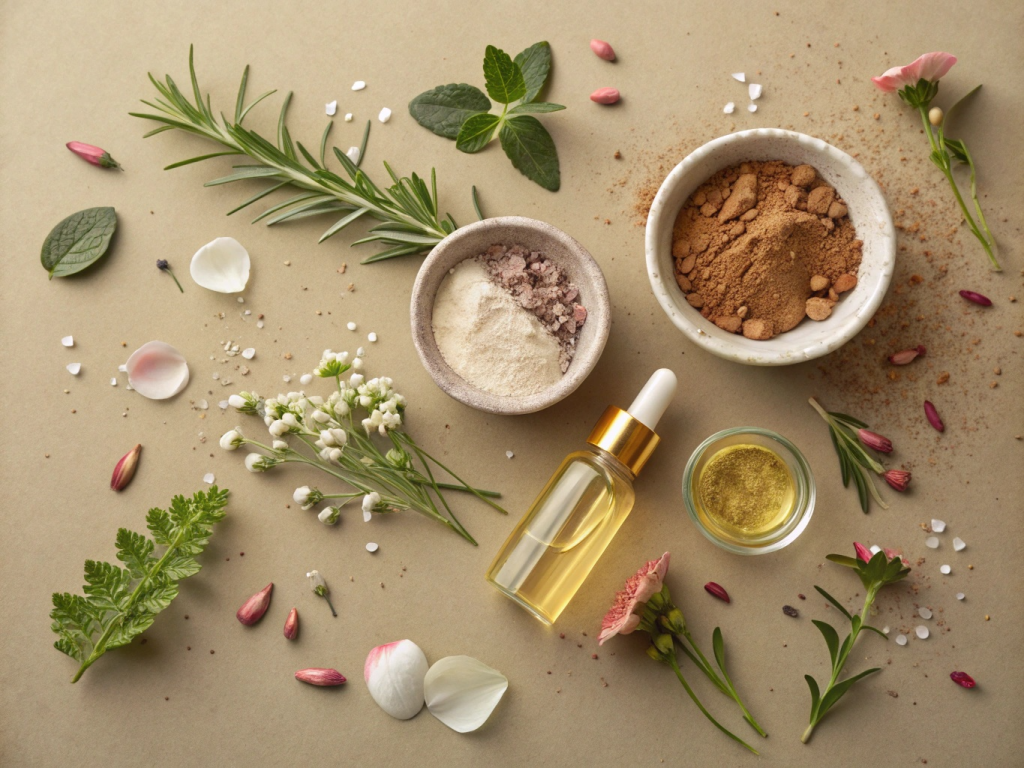
Herbal and nature-inspired aromas are gaining popularity in Europe, but with a less perfumistic and more cosmetic approach.
Ritual-based sensory trends
European consumers increasingly value the sensory state evoked by a product, driving demand for three aromatic pathways:
- Relaxation
- Revitalization
- Balance
MS Cosmetics Lab integrates these criteria during the conceptual stage, determining which sensations best reinforce each product’s intended action.
Preference for authentic, less complex aromas
The market favors fragrances perceived as honest, simple, and aligned with the product’s purpose.
Sensory identity as a branding tool
Brands use scent as a defining hallmark, especially in premium and dermocosmetic ranges. At MS Cosmetics Lab, this is reflected in the creation of signature aromatic profiles designed to remain stable and consistent across product lines.
Conclusion
Aromatic design in cosmetics requires a blend of creativity and scientific precision. From building a skincare-adapted olfactory pyramid to evaluating stability across diverse textures, each decision shapes how the user perceives the product. Today, cosmetic fragrances must remain stable, functional, and aligned with sensory trends driven by softness, naturalness, and balance.
Specialized laboratories such as MS Cosmetics Lab approach this process through a multidisciplinary lens, bringing together perfumers, formulators, and brand teams to create scents that both accompany and elevate the product. This technical collaboration ensures controlled evolution, olfactory fidelity, and alignment with modern expectations of wellbeing, transparency, and refined sensoriality.
In a market where user experience is as important as efficacy, scent becomes a strategic element—transforming a cosmetic product into a ritual.

