

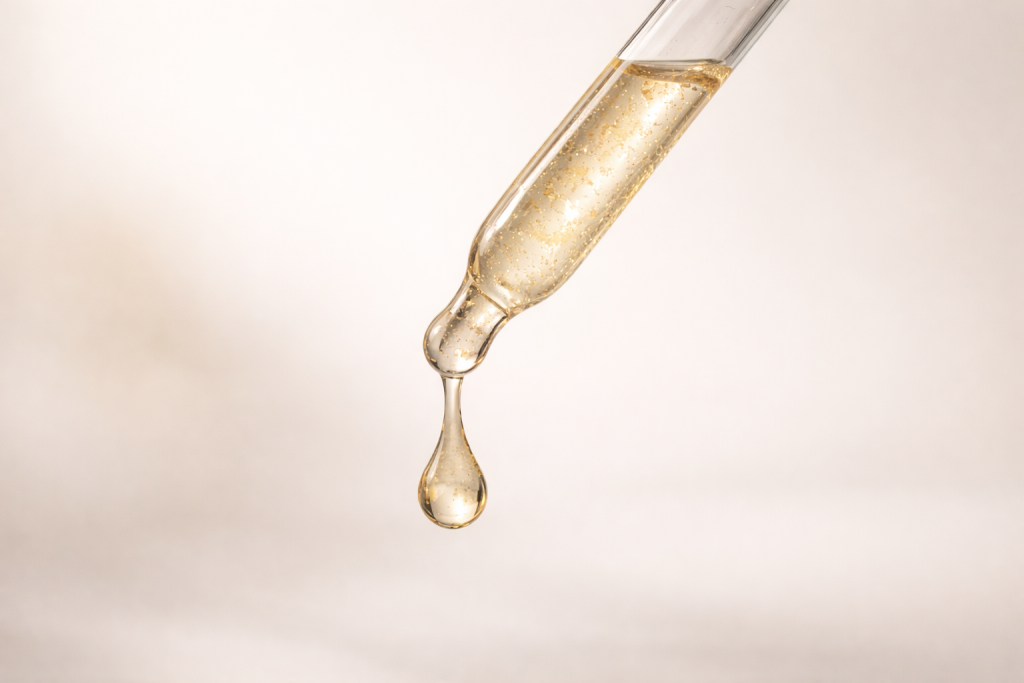
In recent years, the beauty sector has begun to adopt an approach that may seem minimalist but is strongly backed by science: the microdosing of cosmetic actives. This trend, known as cosmetic microdosing, proposes an idea that challenges traditional routines: using very small amounts of highly potent ingredients to achieve effective, safe, and long-lasting results. The concept has gained interest among both laboratories and consumers, especially those seeking to maximize benefits without overwhelming the skin with excessive active loads.
Specialized laboratories such as MS Cosmetics Lab have contributed to the growth of this approach by developing formulas that maximize efficacy through minimal, optimally delivered doses.
The rise of microdosing coincides with the evolution toward more advanced formulas, where ingredient stability, precision, and bioavailability are essential. Laboratories are developing ultraconcentrated products capable of delivering visible effects with minimal doses, supported by controlled-release technologies, encapsulation systems, and more rigorous clinical studies. This evolution is also reflected in the development processes at MS Cosmetics Lab, where advanced delivery systems and meticulous ingredient engineering ensure consistent, targeted performance.
This trend also has a direct impact on e-commerce and packaging design, driving the growth of mini formats and high-performance solutions in reduced sizes. For brands, it represents a strategic opportunity: to offer more efficient, sustainable cosmetics aligned with a consumer base that demands purposeful innovation.
What Microdosing of Cosmetic Actives Consists Of
Cosmetic microdosing is based on using very small amounts of highly potent actives, applied consistently, to achieve visible results without compromising skin tolerance. At MS Cosmetics Lab, this principle guides the formulation of products designed to work progressively while respecting the skin’s barrier.
A Dermatology-Inspired and Formulation-Driven Approach
The idea of “using less to achieve more” is not new; it stems from principles well-established in dermatology, where low, well-administered, and sustained doses can offer efficacy comparable to higher concentrations but with an improved safety profile. Premium and treatment-oriented cosmetics have embraced this methodology to create more efficient products that respect the skin barrier.
The Main Objective: Cumulative Efficacy Without Overloading the Skin
Microdosing aims to act progressively and consistently, generating a gradual, cumulative effect. Its benefits include:
- Lower risk of irritation, especially with potent actives such as retinoids, exfoliating acids, or vitamin C.
- Greater routine adherence, enabling daily use without unwanted reactions.
- Improved stability of the active, as lower concentrations tend to oxidize or degrade less easily.
- Tailored efficacy, preventing overexposure that could saturate or sensitize the skin.
This approach aligns with current consumer behavior, which increasingly values products that are effective yet gentle, compatible with sensitive skin, and suitable for multi-step routines.
Microdoses Do Not Mean Low Efficacy
A common misconception is that lower concentration equals lower performance. In practice, studies show that dose optimization can match or even surpass the results of more aggressive formulas, provided that:
- The active is of high purity.
- The formula facilitates its penetration.
- Usage remains consistent over time.
To achieve this, laboratories such as MS Cosmetics Lab employ technologies that ensure even reduced quantities reach their target with precision.
A Trend Aligned With Conscious Skincare
Today’s consumers value smarter, more sustainable routines tailored to real skin needs. Microdosing fits perfectly into this paradigm, delivering measurable results while promoting responsible use of resources—both in terms of skin exposure and formulation design.
Overall, microdosing redefines how we understand cosmetic efficacy, placing science, precision, and tolerance at the forefront.
How Ultraconcentrated Products Are Formulated
Microdosing would not be possible without the development of ultraconcentrated products—formulas designed to deliver a high amount of actives in extremely small doses. These cosmetics require a more complex scientific and technological approach than conventional formulations, as they must ensure potency, stability, and safety in every application.
Selecting High-Purity, High-Potency Actives
The first step in creating an ultraconcentrated product is choosing ingredients with the technical profile needed to achieve results using microdoses. Laboratories typically opt for:
- Standardized actives with known concentrations
- Highly bioavailable peptides
- Stable vitamin derivatives (especially A, C, and B3)
- Biotechnological extracts optimized for quick penetration
These ingredients enable the use of minimal quantities without compromising performance.
Technologies That Allow “More in Less”

It’s not enough to simply add a high percentage of an active ingredient. Creating ultraconcentrated products requires technologies that:
- Encapsulate the active to protect it from oxidation
- Direct its release to specific skin layers
- Modulate penetration speed to prevent irritation
- Increase stability even in very small volumes
Common technologies include:
- Lipid nanovesicles
- Controlled-release polymers
- Preformulated bioactive complexes
- Anhydrous systems (water-free) that reduce degradation
These systems ensure that each microdrop contains enough potency to produce a cumulative effect.
Balancing Potency and Tolerance
One of the most critical aspects of ultraconcentrated products is maintaining safety and user comfort, especially when working with potent actives such as retinoids, exfoliating acids, or antioxidants.
Formulators adjust:
- Total active concentration
- pH levels to prevent irritation
- Co-actives with soothing or barrier functions (panthenol, ceramides, betaine)
- Textures that regulate release speed
This balance results in formulas that are powerful yet gentle—ideal for daily use.
Texture Design for Precise Dosing
In ultraconcentrated products, texture is not just sensorial—it’s functional. It must allow microdoses to be measured and applied easily. Common textures include:
- Lightweight, fast-absorbing serums
- Ultra-fine emulsions
- Anhydrous oil-serum formats
These bases ensure even distribution of the active without requiring large amounts.
Clinical Validation and Safety
Cosmetic microdosing presents itself as an innovative trend, but its success depends on one essential factor: clinical validation and safety. When working with potent actives in ultraconcentrated products, laboratories must demonstrate that microdoses are effective, stable, and safe for continuous use. In laboratories such as MS Cosmetics Lab, clinical validation is integrated from the early stages of development, ensuring scientific consistency at every step.
Clinical Trials Adapted to Microdosing
Studies on microdosed formulations focus on measuring gradual and cumulative effects. They typically include:
- Short-, medium-, and long-term evaluations to observe progressive skin responses
- Instrumental measurements of hydration, elasticity, wrinkle depth, or radiance
- Panels including different skin types—especially sensitive—to validate tolerance
These trials demonstrate that very small, consistently applied doses can deliver results comparable to or better than higher concentrations used intermittently.

Safety Analysis: Beyond Irritation
Microdosing safety goes far beyond avoiding irritation. Laboratories must ensure that prolonged use of microdoses:
- Does not compromise the skin barrier
- Does not trigger cumulative sensitization
- Does not interfere negatively with other routine products
- Maintains a pH compatible with skin physiology
Ingredient compatibility studies are also essential to confirm that the main active, even in small doses, does not react adversely with co-actives or preservatives.
Product Stability: A Critical Point
Ultraconcentrated products depend on active stability. Laboratories conduct rigorous tests, such as:
- Accelerated stability under temperature and humidity changes
- Photostability studies
- Oxidation tests in hydrophilic or anhydrous matrices
A microdosed product only works if its active remains potent over time. Otherwise, the microdose loses efficacy.
Regulatory Support and Transparency
Although cosmetic regulations do not define specific microdosing requirements, premium brands often adopt stricter standards, including:
- Enhanced technical documentation
- Voluntary efficacy studies
- Expanded safety assessments
Clear communication about how and why the product works strengthens consumer trust.
Implications for E-Commerce and Mini Packaging
Microdosing is not only reshaping product formulation; it is also transforming commercial strategy, particularly in e-commerce and the development of mini or reduced-size packaging. The idea of “less product, greater efficacy” creates new opportunities in user experience, logistics, and sustainability.
Mini Formats That Don’t Compromise Results
Microdosing enables products to remain effective with very small amounts, making it easier to develop:
- Ultraconcentrated serums in 10–15 ml formats
- Ampoules or single-dose capsules
- Mini tubes or airless travel bottles
- Step-by-step treatment kits
Unlike traditional minis intended only for testing or travel, these reduced formats are fully functional and long-lasting, since each application requires minimal quantity.
They appeal to consumers who value efficiency, dislike accumulating large containers, or prefer compact, practical routines.
Specific Advantages for E-Commerce
Microdosed cosmetics offer notable benefits in digital retail:
- Lower shipping costs due to lighter and smaller packaging
- Higher conversion rates, as small formats encourage trial before full-size purchase
- Fewer returns, thanks to better tolerance and progressive efficacy
- Enhanced cross-selling, with customizable kits containing several compatible minis
These formats also align well with digital shopping habits based on speed, convenience, and low-commitment testing.
Mini Packaging Design: Precision and Sustainability
Mini formats cannot simply be “shrunk down”—they must be precise, hygienic, and protective. Therefore, brands use systems such as:
- Mini airless containers
- Calibrated droppers for microvolumes
- Anhydrous packaging for better stability
- Recycled or recyclable materials to reinforce sustainability messaging
Size reduction also means more efficient use of materials and energy, contributing to a lower environmental footprint.
New Positioning Opportunities
Microdosing opens strategic possibilities for brands, such as:
- Limited edition minis
- Subscription programs with small, frequently replenished products
- Entry-level formats to introduce premium lines
- Discovery experiences ideal for attracting new audiences
Collectively, microdosing not only enhances product efficacy but also redefines how brands present, sell, and distribute cosmetics. In a digital, competitive environment, mini packaging and the “use less to achieve more” approach become key tools for driving innovation, sustainability, and commercial growth.
Conclusion
Cosmetic microdosing represents a natural evolution in modern formulation: a science-based approach that prioritizes precision, tolerance, and cumulative efficacy. For laboratories such as MS Cosmetics Lab, it provides a framework for developing smarter, more efficient products grounded in innovation and scientific rigor—qualities increasingly demanded by today’s consumers.
Ultraconcentrated cosmetics enable the controlled use of potent actives, supported by advanced technologies that optimize stability and release. Combined with clinical validation, this approach ensures that microdoses perform progressively and safely, adapting to different skin types and personalized routines.
Microdosing also unlocks new opportunities for the industry—from more sustainable, efficient mini formats to digital sales models that encourage experimentation and expand access to high-quality products. For brands, it offers a strategic path to differentiation through genuine innovation rather than communication alone.
Ultimately, “using less to achieve more” aligns perfectly with modern market expectations: efficacy, responsibility, scientific rigor, and a more conscious, precise cosmetic experience.

